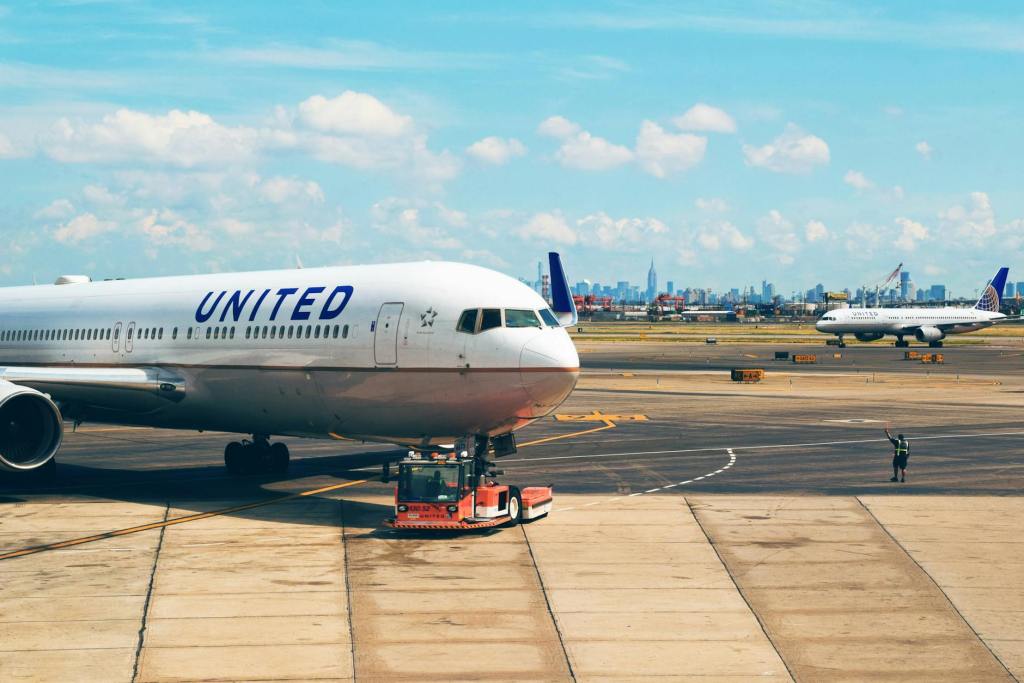
In April 2017, a video of a passenger being forcibly and violently removed by security officers from an overbooked United Airlines plane in Chicago went viral on social media, especially on Facebook, Twitter, and YouTube. Negative public sentiment surrounding the incident was further aggravated by the response of United’s CEO at the time, Oscar Munoz, who told the BBC: “This is an upsetting event to all of us here at United. I apologise for having to re-accommodate these customers” (BBC News, 2017).
It is observed that once the video spread online, the BBC, among other mainstream media outlets, shared the story, increasing its visibility on a global scale. As a consequence, the incident developed into an international reputational crisis. The repercussions were so significant that the company lost more than $1 billion due to lawsuits and a decline in market value. This demonstrates the potential of social media to trigger crises and generate material for mainstream media (Siah et al., 2010).
The way United handled the situation intensified public scrutiny. Instead of taking responsibility for what had happened and describing changes in procedures to resolve overbookings (Ercolano, 2017), United Airlines employed image restoration strategies aimed at reducing offensiveness, de-emphasising, and minimising the circumstances (Benoit, 1997). Not only that, but they also attacked the passenger. In a statement to the BBC, the company said: “After our team looked for volunteers, one customer refused to leave the aircraft voluntarily, and law enforcement was asked to come to the gate” (BBC News, 2017).
This case highlights the risks of a lack of accountability on the internet during crises. According to Pang et al. (2013), social media can escalate problematic situations and intensify public engagement. In this context, a company’s ability to identify risks efficiently is associated with its level of knowledge about digital technologies. This is because, just as social media creates space for news to spread, they also shorten the distance between organisations and audiences. Companies that know how to apply crisis management strategies in the digital environment are more likely to reduce damage and overcome negative repercussions (Paulo, 2025).
Bibliography:
BBC News. (2017, April 10). United Airlines: Passenger forcibly removed from flight. https://www.bbc.com/news/world-us-canada-39554421
Benoit, W. L. (1997). Image repair discourse and crisis communication. Public Relations Review, 23(2), 177–186. https://doi.org/10.1016/s0363-8111(97)90023-0
Ercolano, P (2017, April 12). Johns Hopkins University. https://hub.jhu.edu/2017/04/12/united-passenger-video-marketing-expert-carey/
Siah, J. A. M., Bansal, N., & Pang, A. (2010). New media: A new medium in escalating crises? Corporate Communications: An International Journal, 15(2), 143–155. https://doi.org/10.1108/13563281011037919
Pang, A. (2013). Social media hype in times of Crises: nature, characteristics and impact on organizations. Asia Pacific Media Educator, 23(2), 309–336. https://doi.org/10.1177/1326365×13517189
Paulo, L. D. a. 2. J. (2025). Gestão de crises e o impacto das plataformas digitais na reputação das empresas. Instituto Politécnico Do Porto. https://doi.org/10.34630/tth.v1i5.6215
 Crisis PR hub
Leave a comment